Many commercial property owners discover ADA compliance gaps during a lease renewal, sale, or renovation project. Some fixes are minor; others require permits, structural work, and professional certifications. Knowing which is which can prevent costly surprises mid-project.
What Triggers an ADA Compliance Review
The common triggers: a renovation or fit-out permit (alterations generally must bring affected areas up to current accessibility standards), a property sale or lease where the buyer's or tenant's counsel flags gaps, a complaint or demand letter, and use changes that reclassify the space. The ADA itself is enforced through civil action rather than a permit office - but the accessibility provisions of the building code are enforced through permits, which is where retrofits get real.
Which ADA Modifications Require a Permit
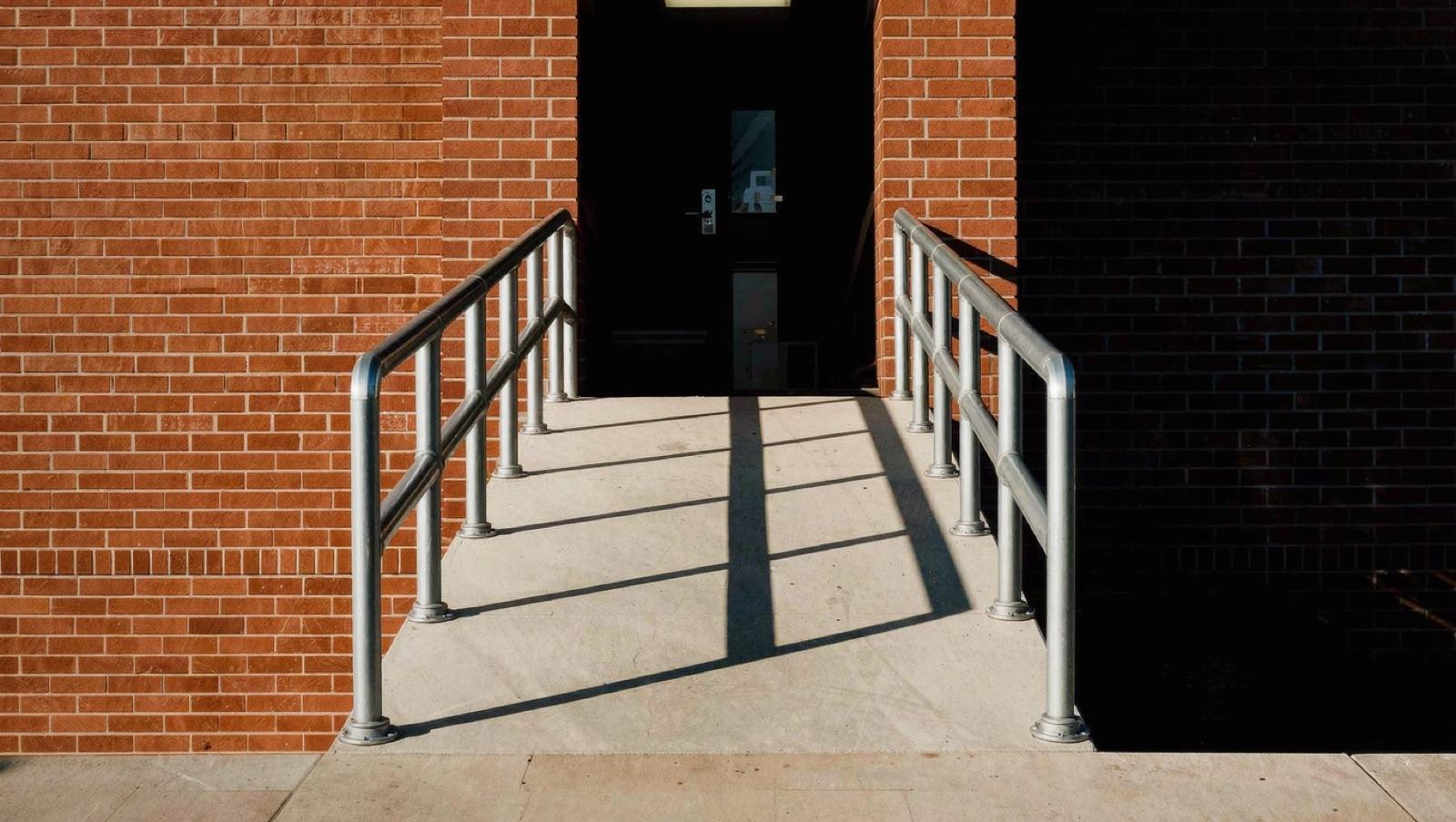
- Ramps and entrance modifications: permit, and structural review if attached to the building
- Restroom reconfigurations: building and plumbing permits
- Door widening and path-of-travel changes through walls: building permit
- Platform lifts and elevators: building, mechanical, and electrical permits
- Signage, door hardware, and grab bars into existing blocking: usually no permit
Hiring a Licensed Engineer for ADA Work
A useful retrofit starts with a gap assessment against the current accessibility standards - measured slopes, clearances, reach ranges, and fixture heights, documented room by room. Licensed engineers or architects then design the remediation and stamp the drawings where structural or code-required certification applies. Unstamped accessibility drawings are a common rejection reason on commercial submissions across the DMV.
ADA Permits in DC, Virginia, and Maryland
There is no separate 'ADA permit' - accessibility scope rides on standard building and trade permits, with accessibility plan review as part of the package. In D.C., that means DOB review (with walk-thru eligibility for small scopes); in Northern Virginia and Maryland counties, the respective county portals. What differs by jurisdiction is mostly review depth and timeline, not the standard itself, since all enforce accessibility provisions derived from the same model codes.
How Long ADA Permit Reviews Take
Small scopes - a ramp, a restroom - typically review in 2–6 weeks in most DMV jurisdictions, and some qualify for expedited paths (D.C.'s Digital Walk-Thru for sub-1,000 sq ft alterations, Frederick County's EPIC for small commercial tenants). Larger path-of-travel projects run with normal commercial timelines, 6–12 weeks. The work itself is often quick; the permit is usually the critical path, which is why owners facing a legal deadline should file early.
Common ADA Issues in Older DMV Buildings
- Entrance steps with no compliant ramp or lift alternative
- Restrooms too small for wheelchair turning radius
- Non-compliant door hardware and thresholds
- Missing accessible parking and route from parking to entrance
- Service counters above reach-range limits
Close Your Compliance Gaps
PermitCare's licensed engineers assess accessibility gaps, design the remediation, and carry the permits through approval across D.C., Virginia, and Maryland. Contact us for a free assessment.