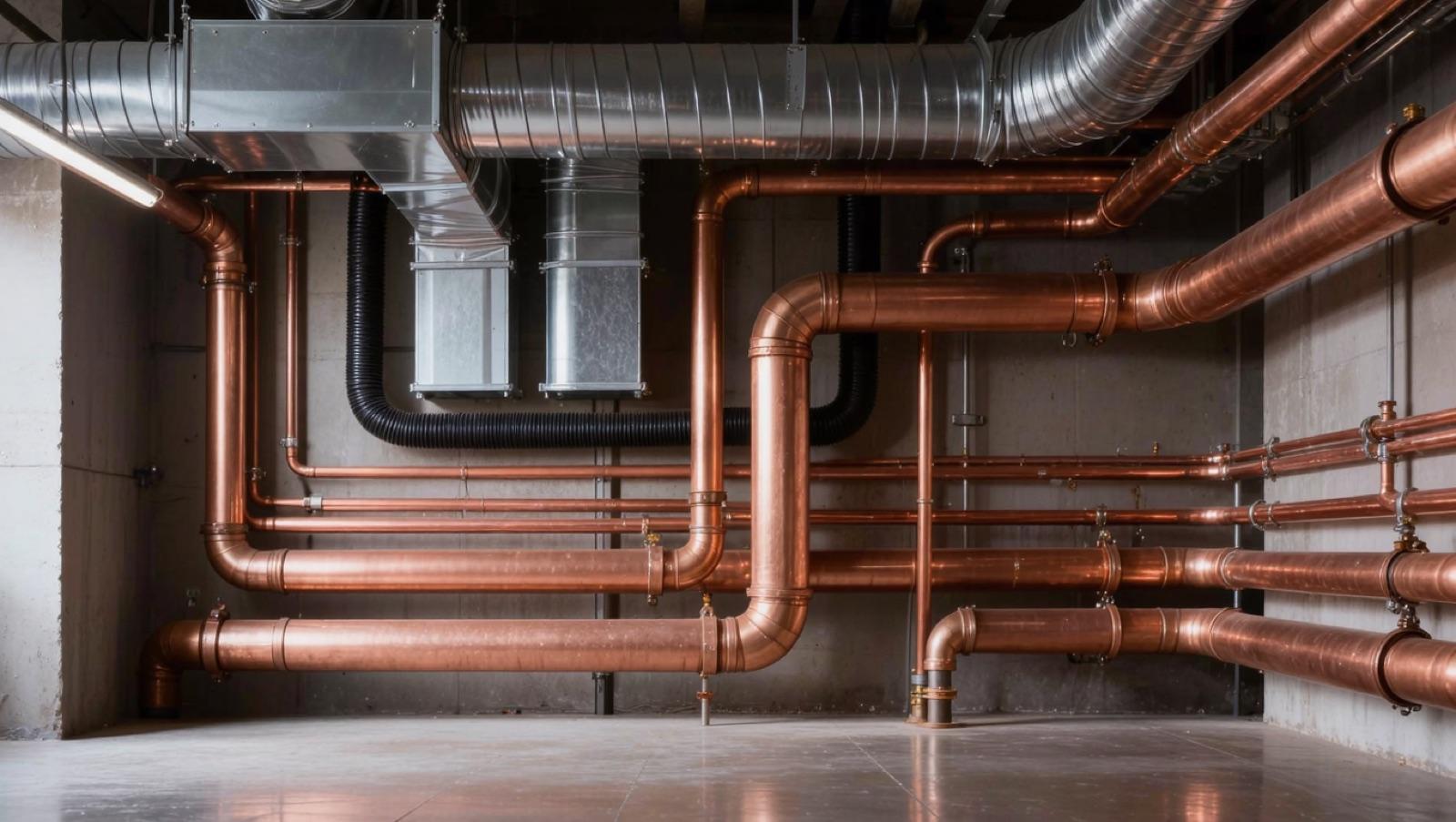
MEP permits cover the mechanical, electrical, and plumbing work in a building. In most DMV jurisdictions these are separate applications from the main building permit, with different reviewers and sometimes different timelines. Confusing the two is one of the more common reasons projects stall mid-construction.
What Falls Under MEP Permits
- Mechanical: HVAC systems, ductwork, exhaust, gas piping, boilers and furnaces
- Electrical: new circuits, panel upgrades, service changes, EV chargers, generators
- Plumbing: water and drain lines, water heaters, fixtures in new locations, backflow prevention
When MEP Permits Are Required
The general rule across the DMV: installing, extending, or modifying a system needs a permit; minor repairs and like-for-like fixture swaps often don't. Adding a circuit needs an electrical permit; replacing a receptacle doesn't. Moving a sink needs a plumbing permit; replacing a faucet doesn't. The gray zone is equipment replacement - which is exactly where jurisdictions differ, and where guessing wrong means failed resale inspections or stop-work orders later.
How MEP Reviews Work in DC, Virginia, and Maryland
In D.C., trade permits are issued only to licensed, bonded master trade professionals - homeowners cannot pull their own electrical, plumbing, or mechanical permits. Virginia jurisdictions (Fairfax, Arlington, Loudoun, Prince William, Stafford) issue trade permits through their online portals, typically reviewed in 1–5 weeks depending on scope and county. Maryland counties run trade permits through their permitting departments alongside building permits, with Maryland's energy performance standards adding documentation requirements to most mechanical scopes.
HVAC Replacement: When You Need a Permit and When You Don't
A straight like-for-like HVAC replacement - same capacity, same location, same fuel - needs a mechanical permit in most DMV jurisdictions, but many offer simplified fast-track processing for it. Change anything material (capacity, ductwork, gas line routing, equipment location) and you're into standard review with load calculations. Note the local wrinkles: Howard County began requiring mechanical permits for commercial HVAC replacement in 2025, and Loudoun County added plan review to certain residential fuel gas permits the same year.
Coordinating MEP and Building Permit Reviews
On renovation and fit-out projects, trade permits are usually filed alongside or immediately after the building permit, and the sets must agree - mechanical layouts matching reflected ceiling plans, panel schedules matching electrical scope. Mismatched sets generate comments in multiple disciplines at once. Filing trades too late is equally costly: a framed and approved space that waits three weeks for an electrical permit is pure schedule loss.
Inspection Requirements After Approval
MEP work gets inspected in sequence: rough-in inspections before walls close, then final inspections with equipment operating. Every jurisdiction schedules through its portal or automated system, and most offer next-day inspections when requested early enough. The classic failure is closing walls before rough-in sign-off - which means opening them back up. Build inspection holds into the construction schedule from day one.
Need MEP Permits Handled Right?
PermitCare's licensed engineers prepare MEP permit packages across every DMV jurisdiction - correct documentation, energy compliance, and inspection sequencing included. Contact us for a free consultation.